
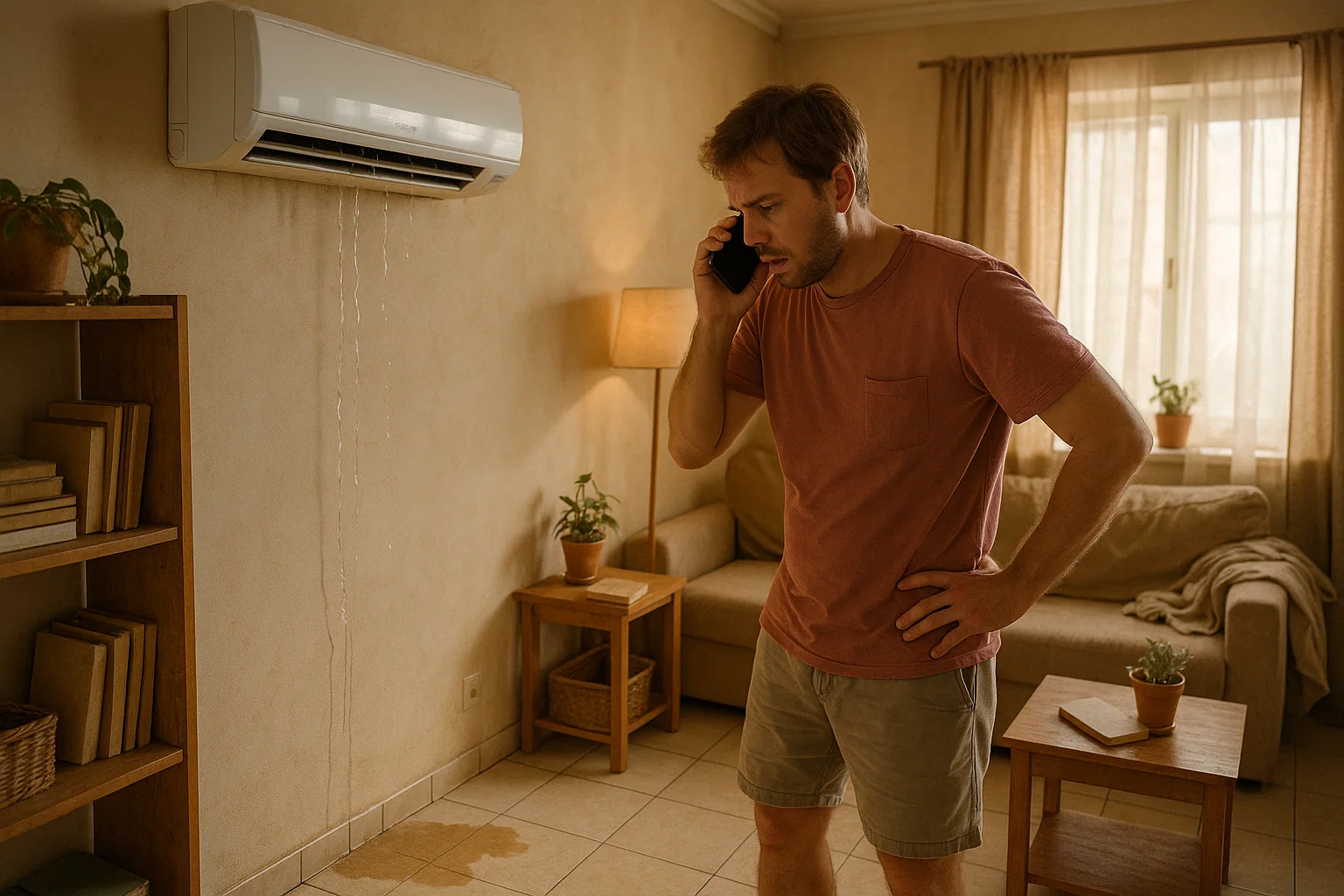
Let’s face it: when your AC starts acting up, it never happens at a convenient time. Whether it’s blowing warm air on a scorching day or making noises that have you raising an eyebrow, these warning signs should never be ignored. If you’re looking for AC repair in Fenton, now’s the time to take action before small issues turn into big (and expensive) problems. Your AC doesn’t have to quit completely to signal that it needs attention. Most systems give you plenty of early warnings.
At First Choice Heating & Cooling, we’ve seen just about every kind of AC failure, and we’re here to help you stay ahead of the game. Below are a few common signs your system might be on its way out, and what you can do to fix it fast.
Don’t wait for a full system failure. Catching problems early can save you money, stress, and a whole lot of sweat. While there is an upfront ac maintenance cost, investing in regular maintenance can reduce overall cost by preventing expensive repairs and improving your system’s energy efficiency.
Scheduling annual AC maintenance with a professional is a proactive way to save money and prevent costly repairs down the road. A professional technician will typically perform a comprehensive check and tune-up of your system to ensure it is running efficiently and effectively.
Regular service can nearly double the lifespan of an air conditioning unit compared to neglected systems.
Introduction to Cooling Systems
Your home’s comfort during the hottest months depends on a reliable cooling system. An air conditioning system, often called an AC unit, is designed to deliver cool air throughout your living space, keeping you comfortable when temperatures rise. The heart of this system is the air conditioner unit itself, which works hard to maintain your desired temperature.
To keep your AC system running at peak performance and prolong its lifespan, regular maintenance is key. Simple maintenance tips, like scheduling annual checkups and keeping the area around your unit clear, can make a big difference. A well-maintained air conditioner not only cools your home more efficiently but also helps lower energy costs and reduces the risk of emergency repairs. A well-maintained air conditioning system results in lower utility bills due to reduced energy consumption. By staying on top of routine maintenance, you’ll ensure your cooling system delivers reliable performance all season long, saving you money and stress in the process. Regular cleaning of an AC system removes accumulated dust and allergens, improving air quality.
Components of Air Conditioners
An air conditioner is more than just a box that blows cool air, it’s a complex system made up of several essential components, each playing a vital role in keeping your home comfortable. At the heart of your air conditioning system is the evaporator coil, which absorbs heat from the indoor air, allowing your system to deliver that refreshing cool air you crave during the hottest days. The condenser coil, located in the outdoor unit, releases the absorbed heat outside, completing the cooling process.
The blower motor is responsible for circulating air throughout your home, ensuring every room gets the benefit of your air conditioner’s hard work. Meanwhile, refrigerant lines carry the refrigerant between the indoor and outdoor units, making the transfer of heat possible.
Regular maintenance of these internal components is crucial for efficient operation and long-lasting performance. When you keep your evaporator coil, condenser coil, blower motor, and refrigerant lines in top shape, you help your air conditioning system run smoothly, reduce the risk of breakdowns, and save money on repairs. Understanding how these parts work together can help you make confident decisions about air conditioner maintenance and when to call in a professional for repairs.
Central Air Systems
Central air systems are a popular choice for homeowners who want reliable, whole-home comfort. Unlike window units or portable air conditioners, a central air conditioning system uses a single, powerful unit to cool and circulate air throughout your entire home. The system typically includes an outdoor condenser unit and an indoor evaporator coil, which work together to remove heat from your indoor air and deliver cool air through a network of ducts.To keep your central air system running at peak efficiency, regular maintenance is a must. This means changing the air filter regularly to maintain good airflow and indoor air quality, cleaning the condenser coil to prevent dirt buildup, and inspecting the refrigerant lines for leaks or damage. By staying on top of these maintenance tasks, you’ll help your central air system deliver consistent cooling, lower your energy costs, and extend the life of your unit. A well-maintained central air system not only keeps your home comfortable but also saves you money in the long run.
1. Warm Air When You Want Cold
If your AC is blowing air, but it’s not cold, that’s a red flag. This could point to a refrigerant leak, a malfunctioning compressor, or airflow issues. It’s important to inspect refrigerant lines for leaks and monitor for low refrigerant levels, as these can significantly impact system efficiency and cooling performance. Checking for leaks in window seals during AC maintenance is also essential to ensure the system operates efficiently. Before you panic, check your thermostat settings and air filter. If those seem fine, it’s time to call in the pros. Don’t ignore lukewarm air, it’s usually a sign of a bigger problem lurking beneath the surface.
2. Weird Noises
All AC units make a little noise, but grinding, squealing, or banging sounds? That’s not normal. These noises can signal worn-out parts, loose components, or failing motors. The longer you wait, the worse (and louder) it’s likely to get. Strange noises can mean your system is crying out for help, literally.
3. Weak Airflow
If your vents are barely pushing out air, you may have a clogged filter, blocked ductwork, or a failing blower motor. Ductwork assessment can identify leaks that waste up to 30% of cooled air, which is especially important for central ac systems to maintain proper airflow and efficiency. Low airflow means your AC is working harder than it should, which leads to wear and tear, and higher energy bills. Poor airflow doesn’t just affect comfort, it puts extra strain on your entire HVAC system.
4. High Humidity Indoors
Your AC should do more than cool, it should regulate humidity, too. If your home feels sticky or muggy, it might be a sign your unit isn’t doing its job. A quick tune-up or humidity control upgrade could solve the issue. High humidity indoors is a sure sign your AC is underperforming.
5. Short Cycling
Does your AC start and stop more frequently than usual? That’s called short cycling, and it’s a serious efficiency problem. Causes range from dirty coils to oversized systems or failing thermostats. Whatever the cause, don’t let it continue, it’s not good for your system or your wallet.
6. Bad Smells
If you catch musty, burning, or sour smells when your AC runs, shut it off and get it inspected. Mold, wiring issues, or even pests could be to blame. Clean air shouldn’t come with a side of mystery odor. If it smells like trouble, it probably is, let’s find the source.
Don’t wait for a full system failure. Catching problems early can save you money, stress, and a whole lot of sweat. Let’s keep your home cool, comfortable, and running like it should.
Air Filter Importance
One of the most important, and often overlooked, parts of your air conditioning system is the air filter. This small but mighty component plays a big role in maintaining indoor air quality by trapping dust, pollen, and other particles before they circulate through your home. When the air filter gets clogged, it can restrict airflow, forcing your air conditioner to work harder and driving up energy consumption and costs.
To keep your air conditioning system running efficiently, make it a habit to check and replace your air filter regularly. Not only will this help your AC perform better, but it will also improve the air quality in your home. Dirty filters kill your AC’s efficiency, so install a new one every month during the cooling season. Choosing the right air filter, considering factors like MERV rating and filter size, is important, as different types of filters can impact airflow and overall system performance. If you’re unsure which filter is best for your system, a licensed HVAC professional can offer expert advice and maintenance tips to keep your air conditioner in top shape.
Annual AC Maintenance
Scheduling annual AC maintenance is one of the smartest moves you can make to keep your air conditioning system operating at its best. An annual maintenance visit from a licensed HVAC professional typically includes a thorough inspection of your system, cleaning of the condenser coil, and a check of refrigerant levels to ensure everything is running smoothly.
By investing in annual maintenance before the cooling season begins, you can catch small issues before they turn into major repairs, avoid unexpected breakdowns, and keep your energy costs in check. Regular annual maintenance not only helps your system run more efficiently but also extends the life of your air conditioner, giving you peace of mind all summer long. Don’t wait for emergency repairs, schedule your annual AC maintenance and enjoy reliable service, lower energy bills, and a comfortable home year after year.
What to Do When Your AC Unit Fails
If your air conditioner suddenly stops working, don’t panic, quick action can help prevent further damage and costly repairs. First, turn off the power to your AC unit to avoid any risk of electrical shock or injury. Next, check the air filter and thermostat settings to rule out simple fixes that might be causing the problem.
If these steps don’t resolve the issue, it’s time to call in a licensed HVAC professional. A qualified HVAC technician can identify small refrigerant leaks and capacitor issues before they lead to total system failures, ensuring your system is repaired efficiently and safely. An experienced technician can quickly diagnose the problem and recommend the right repairs to get your unit back up and running. Remember, regular maintenance is your best defense against unexpected AC failures, but knowing what to do in an emergency can save you time, money, and discomfort. Don’t hesitate to reach out to a trusted HVAC professional when your cooling system needs expert attention.