
 When you run your HVAC system, it circulates air throughout the house, first drawing it in through return air ducts and then sending it back out it the rooms through the supply ducts. During the winter, you’ll run the furnace to heat up this air, and that means the effects of the furnace are felt all around the house. So it makes sense that if the furnace isn’t working right, it can have an effect on your home’s indoor air quality … aside from making it less hot, of course.
Below we’ll look at several ways a malfunctioning furnace can have a negative effect on the air quality in your house.
 The average low temperature during our winters is 15°F. Some other parts of the Midwest get even colder, but 15°F is still
 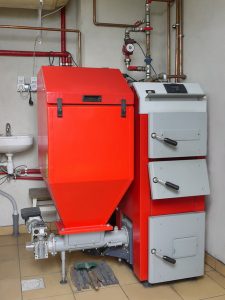 When you’re considering getting a new heating system for your home, you’ll probably be looking into a forced-air heater of some kind: an electric furnace, a gas furnace, a heat pump. These heaters all raise the temperature of the air and then send that air through ductwork to the rooms. If your home already has ductwork, then you’ll almost certainly will be looking into a forced-air heater.
 When you’re looking for better
  If you looked at your heating bills during the previous winter and wondered why they seemed higher than normal, this post can help. We know you probably spent more time in your home last winter than usual (pretty much everyone did), so that will account for some of the increase in how much you paid for heat. But if you factor out that, as well as any rise in energy costs, and the price still seems too steep, then there are several steps you can take.
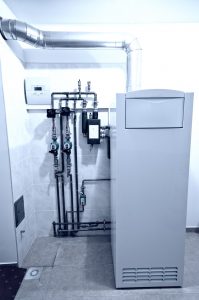 A common question we hear from customers is when to replace their natural gas furnace. Homeowners want to get the most years possible out of their investment in a central heating system, but they also know that no furnace can last forever. At some point, a furnace will become less effective, less energy efficient, and even less safe. At what point is a furnace replacement ready?
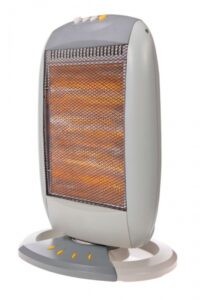 When the winter arrives in Michigan, central heaters in homes across the state come on to keep people warm. You can’t afford to go without some kind of heating system for your home if you want to make it through the winter. Unfortunately, we can tell you plenty of stories about people who tried to patch together a “cheap” solution to home heating when their furnace or other central heater went out.
  Fall started officially on the 22nd of September, but most people think of the season starting after Labor Day, or when the calendar leaf flips over to September. Now it’s almost October and the reality of fall (and a certain even colder season that follows it) will strike homeowners. They’ll start making cold weather preparations. One of the most important preparations is arranging for professional HVAC technicians to do a maintenance inspection and tune-up on their heating system.
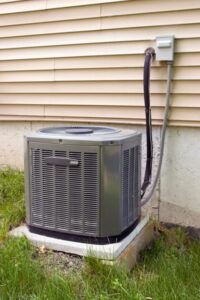 Go outside your house and look at the condenser cabinet for the central air conditioner. You’ll notice that it’s placed onto a concrete slab, rather than just set on the ground. This is because the condenser is a heavy object and it would start to sink right down into the ground if it wasn’t put on a solid foundation. Laying down a concrete pad is a critical part of putting in the first AC for a new house.
 August brings two challenges for air conditioning systems: