
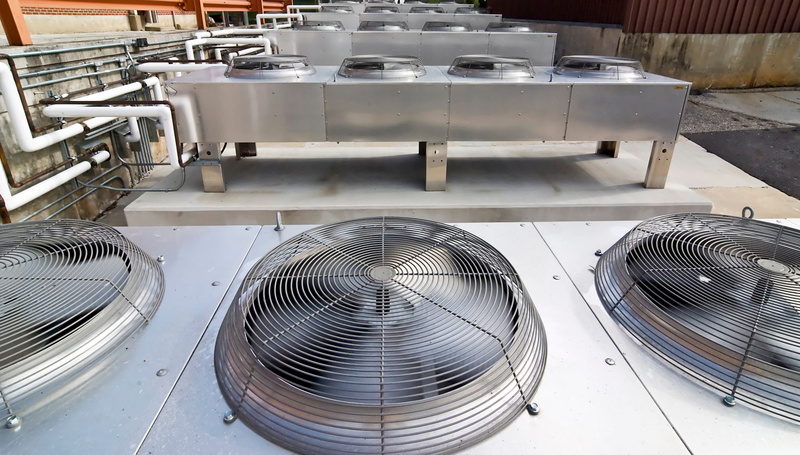
First Choice offers excellent residential air conditioning services, but people may not know we’re also skilled with commercial air conditioning in Highland, MI and all throughout the surrounding areas. We want to help your commercial space remains cool through a hot summer so your business stays up and running. A failing air conditioner can mean loss of revenue and overheating equipment.
No service is more important for protecting your commercial air conditioning from summer time problems than regular maintenance.
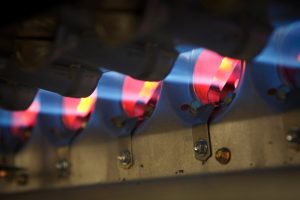 At First Choice, we like to help our customers save money with their heating and cooling systems. Our summers and winters can force HVAC systems to put in an immense amount of work, which can make for steep utility bills. But there are many ways to cut down on energy costs, and one of them is partially or completely shutting down your home’s furnace during the summer.
  Between the winter chill and the summer roast is the ideal time to have a new HVAC system installed. If you’ve suspected that your current heater and air conditioner are coming near the end of their usefulness, when
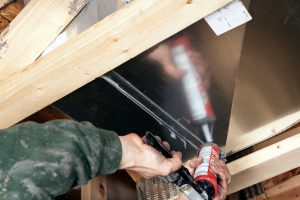 It’s the official end of winter and the start of spring. Your HVAC system is going to make the change from cold weather to warmer weather, although the process can be a slow one with occasional returns of colder temperatures. You may still need to schedule
  Yep, it’s still winter. It’s plenty cold. But we’re now in March, and this means the first official day of spring is a few weeks away. Of course, that doesn’t mean we’ll instantly start to enjoy warmer weather—but it does mean we are in the home stretch.
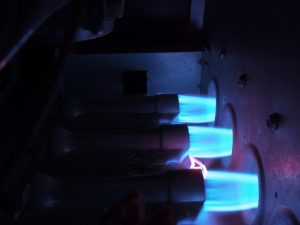 It’s the “Worst Thing That Can Happen During the Winter”—a home furnace that suddenly stops heating. If it’s a cold day, this can be a serious emergency.
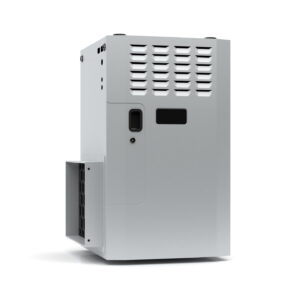 When the time arrives for a new installation of a
 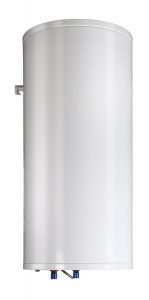 The Water Heater in Winter. Not exactly a dramatic or thrilling name for a story, but it’s a story we want to tell anyway, because it’s important for our customers and potential customers to know about issues they may face during the winter with their
  We’re an