
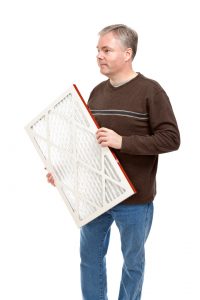
We can offer plenty of advice for how to better and more energy efficiently heat your home during the winter. And we can offer plenty of heating services in Davison, MI to improve your overall comfort. But if we could only say one thing, only give a single piece of advice, it would be to regularly change your furnace’s air filter.
Why You Should Regularly Change Your Furnace Filter
A clean furnace filter:
- protects internal furnace components from dust and debris
- helps your system run more efficiently and lowers energy costs
- prevents airflow restriction and system strain
- should be checked monthly, replace cheap panel filters every 1 month, stronger pleated ones every 3 months
- can often be replaced by a pro during routine maintenance
Thankfully, we have our own website and the space to elaborate on this advice …
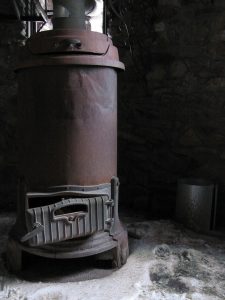
 We’re now in what we in the HVAC business call “heating season.” It’s when home heaters turn on and work steadily all the way through the early spring—and sometimes longer than that.
 Even people who like winter more than any other season don’t like seeing utility bills start rising as the temperature begins dropping. It’s true you can’t avoid paying higher energy costs during the winter because of all the work your home’s central heating system must put in (and the water heater does more work as well). However, you can cut down on those costs with some basic steps.
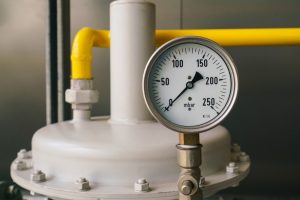 The furnace is the most common type of central heating system, but in our area there are many homes that rely on boilers. Boilers are often found in homes that don’t have a network of ventilation ducts, since a boiler works by circulating hot water through pipes to terminal points (radiators, baseboard heaters) where the heat then radiates into the rooms.
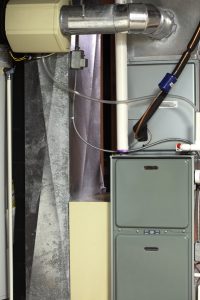 You don’t need us to tell you how important a working furnace is in this part of the country. We deal with harsh winters, and they can sometimes stretch into April. A home’s furnace is essential for getting a family through even a single day of winter.
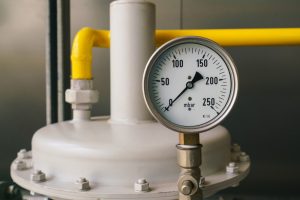 Gas boilers are one of the best ways to enjoy comfort through even the chilliest of winters. They are highly energy efficient and can last for many years.
 Our recent weather has been rainy and in the 40s. That’s much warmer than during the dead of winter, but it’s certainly not a full spring thaw. But these are probably the last few weeks you’ll be using the furnace until fall. You don’t necessarily need to shut the unit down since most furnaces now use electronic ignition systems and won’t waste power using a standing pilot light. But you also should make sure the furnace doesn’t have any lingering repair issues before you stop using it.
 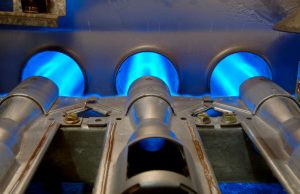 It’s the first week of spring! That doesn’t mean the weather will instantly turn warm, of course. But it does signal the start of making plans for the coming change in weather. We strongly recommend using the time to schedule maintenance for your air conditioning system so it’s ready to go on the first day of hot weather.
 As we head into the last stretch of winter, you’ll want to keep a close eye on your heating system. It’s done plenty of work already this winter, and now is a time when the stress on its components can catch up with it and cause it to malfunction or even breakdown entirely—and that’s never good, no matter how late in the season.