
 We offer a range of models of water heaters in Burton, MI for our customers. There are two broad options: the conventional and familiar storage tank water heater, and the less common tankless water heater. Both types have benefits and drawbacks, and there is no automatic “right” answer for which is better for your home. You’ll need our water heater experts to help you discover whether a tank or tankless water heater fits your household’s needs and your short-and-long-term budget plans. To get you started, we’ll provide a basic rundown of the strengths and weaknesses and these water heaters.
Comparing Tank and Tankless Water Heaters
June 20th, 2022How Much Electricity Does Your AC Use?
June 6th, 2022 Summer is a time when people see a rise in their electric bills. There are several reasons for increased electrical use after the lull of spring, but the biggest source is air conditioning systems. When you start to run the AC in your home for the first month of summer heat, you know you can expect to see a rise on your next electric bill.
There are ways you can keep this under check. We recommend always having air conditioning maintenance done in spring to stop the AC from declining in energy efficiency. As soon as you notice anything wrong with your cooling system, call us for AC repair in Burton, MI—not just to prevent the system from breaking down, but to keep the malfunction from draining energy. Maintain a steady setting of 78°F on the thermostat during the day when people are home.
But no matter what conservation steps you take, you’ll still see an increase in electrical use because of how much electricity the AC consumes to run. And how much is that…?
6 Misconceptions About Geothermal Cooling and Heating
May 23rd, 2022 Although geothermal HVAC systems are becoming more common for homes, this technology is still new to many. Because of this, people often have misconceptions about how geothermal heating and cooling works and how useful it is.
We’re going to look at six of the major misunderstandings about geothermal heating and cooling.
How Dirty Coils Affect Your Air Conditioning
May 9th, 2022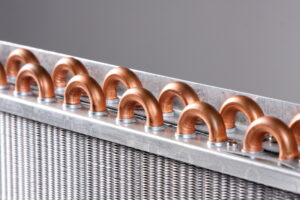 We’ve already written our seasonal blog to remind our customers about the importance of scheduling regular air conditioning maintenance with our technicians. But an extra reminder never hurts, and in this case we want to talk about one of the essential jobs we do during maintenance and why it’s so important—cleaning the refrigerant coils of an AC.
Watch Your AC for These Early Season Malfunctions
April 25th, 2022 Soon you’ll start to run your air conditioning system to cool down your house. During the lull in the weather is the best time to call our team members to arrange for maintenance for your AC so it’s ready to go and in the best state to handle the summer heat when the time comes. If you do this, you can expect your air conditioner to have few problems or malfunctions in the coming year.
But maintenance won’t stop all AC issues. When you first start to run your air conditioner, we recommend you pay some attention to it so you can pick up any early signs that something is wrong. These same warning signs apply to the rest of the summer as well, so familiarizing yourself with them now will make it easier for you to detect them whenever they occur.
Other Ways to Prepare Your AC for Summer
April 11th, 2022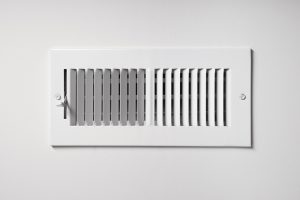 In our last post, we addressed the most important way you can get your AC ready to deal with another hot summer: scheduling regular air conditioning maintenance with our expert team. We can’t overemphasize how important this job is! Your AC has little chance of breaking down or even suffering from a minor repair needs if it has maintenance, and it will also run at higher energy efficiency.
However, there are some steps you can take on your own to see that your AC sails through the summer keeping your home cool. Once you schedule your air conditioning tune-up in Highland, MI, there are some steps you can take do on your own that will help out, as well as jobs you’ll need to do during the rest of the summer. Let’s go over some of what you can do to give your AC the summer help it needs.
Let Us Help You Get Your AC Ready for Summer!
March 28th, 2022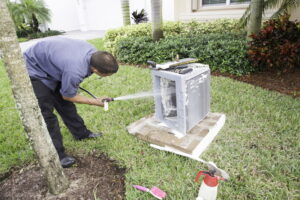 Now that spring has arrived, we want to get the word out to our current and future customers about the importance of preparing air conditioning systems for the approaching warm weather. April (and even May and June) can still contain cold weather surprises, but the AC in a home needs to be prepared for the steady heat that will soon settle in.
You can take several steps to help maintain your home’s central air conditioning system, such as changing the HVAC air filter, making sure room vents are unobstructed, and cleaning the outdoor cabinet and clearing the area around it. But you’ll also need our help—professional air conditioning maintenance in Flushing, MI is the best way to ensure you have an AC that’s “armored up” for the summer heat. A regularly maintained AC will also save you money in multiple ways.
Basic Questions to Ask About Your Home’s Heating Performance This Winter
March 14th, 2022 As winter wraps up and people start looking forward to using their air conditioning systems, we recommend homeowners take time to consider their heating. True, you soon won’t need to have your heating system running, but spring offers an opportunity to make upgrades, repairs, and even full system replacements to a heater.
So in this post, we want to help you consider how well your heater performed through the winter it just went through. This can help you decide if you need to call us for critical HVAC service in Brighton, MI during spring, when you can take advantage of the slower schedule for HVAC technicians and the milder weather.
Is That Furnace Repair Worth the Cost?
February 28th, 2022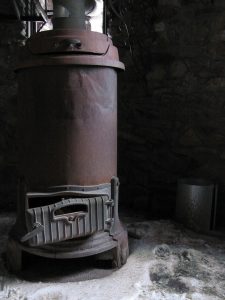
If an expensive appliance in your home breaks, your first thought won’t be to simply toss it out but to have it professionally repaired. Life would get extremely expensive if you kept replacing dishwashers, refrigerators, furnaces, and air conditioners the moment they showed signs of trouble.
On the other hand, all appliances have life cycles and will not last forever. As an appliance ages, it will accrue more repairs and begin to work less effectively and efficiently. At a certain point, you’ll have to make the choice about investing in another repair or getting a new appliance.
We’re experts when it comes to furnace repair in Burton, MI, so we can help you understand when it’s worthwhile to repair an old furnace and when it’s time to move on with a new one.
Why the Burners in Your Furnace Won’t Stay Lit
February 14th, 2022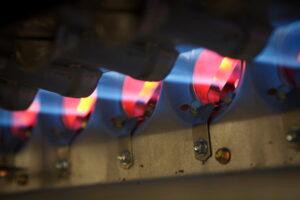 A gas furnace works by combusting natural gas sent to the burners, which produce hot combustion gas the heater uses to warm the air entering the ductwork of the home. In most modern furnaces, an electronic ignition system lights the burners once gas starts flowing to them, and the burners remain on as long as necessary for the furnace to heat the house to the desired temperature.
You may find yourself in a colder house if the burners in your furnace don’t remain lit but keep going out early. There may be a simple explanation for this problem, but in many cases you’ll need to call a professional for furnace service Brighton, MI. Working with a gas furnace, as with any gas-powered appliance, is potentially dangerous for someone who isn’t licensed and equipped for the job.
What might cause the burners in your furnace to go out early? Here are some possibilities…