
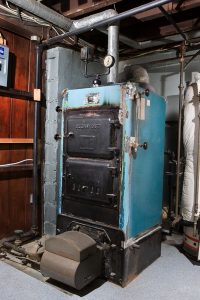
 The end of the winter season is a period when we recommend homeowners who have heating equipment that is older than 10 years give consideration to when it needs to be replaced. No, this doesn’t mean that a heating system that’s older than 10 years is an automatic replacement. But this is the period when the heater may start to show signs of wearing down, losing energy efficiency, and becoming a higher risk for a breakdown.
This is especially important for gas furnaces, which is probably the type of central heater your house uses. When you think about the recent performance of the furnace, are you on the fence about replacing it? We want to help you understand what kind of risks you’re taking if you delay replacing a furnace that needs it.
 This is not the way you want to start the winter—with a furnace that turns on but falls short of providing the comfort you expect.
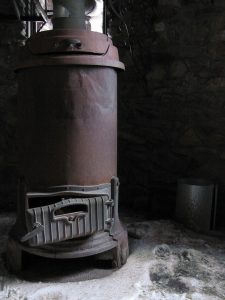

 Yep, it’s still winter. It’s plenty cold. But we’re now in March, and this means the first official day of spring is a few weeks away. Of course, that doesn’t mean we’ll instantly start to enjoy warmer weather—but it does mean we are in the home stretch.
 When the time arrives for a new installation of a
 We’re now in what we in the HVAC business call “heating season.” It’s when home heaters turn on and work steadily all the way through the early spring—and sometimes longer than that.
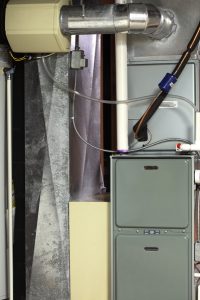 You don’t need us to tell you how important a working furnace is in this part of the country. We deal with harsh winters, and they can sometimes stretch into April. A home’s furnace is essential for getting a family through even a single day of winter.
 Our recent weather has been rainy and in the 40s. That’s much warmer than during the dead of winter, but it’s certainly not a full spring thaw. But these are probably the last few weeks you’ll be using the furnace until fall. You don’t necessarily need to shut the unit down since most furnaces now use electronic ignition systems and won’t waste power using a standing pilot light. But you also should make sure the furnace doesn’t have any lingering repair issues before you stop using it.
 It’s the first week of spring! That doesn’t mean the weather will instantly turn warm, of course. But it does signal the start of making plans for the coming change in weather. We strongly recommend using the time to schedule maintenance for your air conditioning system so it’s ready to go on the first day of hot weather.