
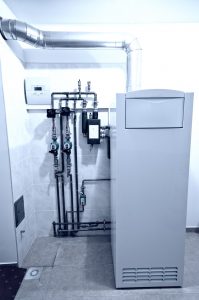
 A common question we hear from customers is when to replace their natural gas furnace. Homeowners want to get the most years possible out of their investment in a central heating system, but they also know that no furnace can last forever. At some point, a furnace will become less effective, less energy efficient, and even less safe. At what point is a furnace replacement ready?
There are several factors that can help tell you when a furnace needs to be replaced, such as regular malfunctions and soaring heating bills. But one solid determining factor is the furnace’s age. If you have a gas furnace that is older than fifteen years, our advice is to replace it. And we’re not the only people offering this same advice…
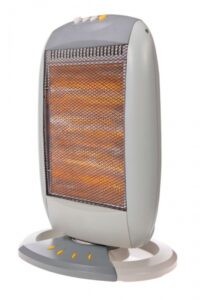 When the winter arrives in Michigan, central heaters in homes across the state come on to keep people warm. You can’t afford to go without some kind of heating system for your home if you want to make it through the winter. Unfortunately, we can tell you plenty of stories about people who tried to patch together a “cheap” solution to home heating when their furnace or other central heater went out.
  Fall started officially on the 22nd of September, but most people think of the season starting after Labor Day, or when the calendar leaf flips over to September. Now it’s almost October and the reality of fall (and a certain even colder season that follows it) will strike homeowners. They’ll start making cold weather preparations. One of the most important preparations is arranging for professional HVAC technicians to do a maintenance inspection and tune-up on their heating system.
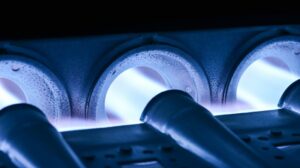 The cold weather may still linger, but it won’t linger for much longer as we get deeper into spring. You’ll soon turn on the AC and stop using the furnace for many months. This is the time to schedule regular air conditioning maintenance with our technicians to ensure your AC is in peak shape for the summer heat.
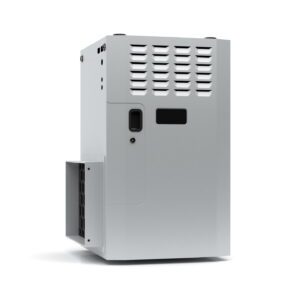 As we switch into spring and focus on air conditioning systems, it’s easy to forget about the furnaces that just put in a hard winter keeping our homes warm. Now, your furnace doesn’t have feelings, but we recommend you give some thought to its future at this time—such as whether it has a future in your house.
 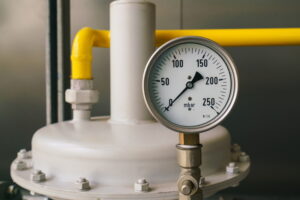 One of the major benefits of using a hydronic boiler to provide heat to your house is that these systems often last longer than standard forced-air heaters such as furnaces and heat pumps. Boilers do not contain as many moving mechanical parts as forced-air heaters, and this slows down the speed at which they age.
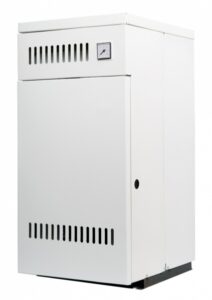 As we enter the final stretch of winter, we recommend you think about how your heating system performed and if you’ll need to have it replaced at some point during the middle of the year so you’ll be ready for the next winter.
  High efficiency
 This is not a situation you want to find yourself in: a failing heater when winter is still in force. Unfortunately, you can’t always control problems like this. Excellent regular maintenance can help make emergency replacements rare, but nothing is a 100% guarantee. Your best defense against the sudden replacement blues is to catch early indicators your heater is coming close to crashing so you can call a
 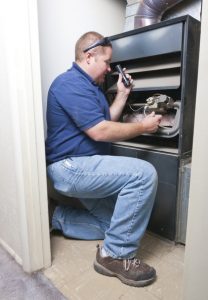 When we talk about regular heating maintenance, we often call it “fall heating maintenance.” That’s because this is the typical time when people arrange to have it done. Heating maintenance done during autumn has the advantage of giving homeowners time to arrange for any repairs the technicians may uncover during inspections and ensures the heater is in the best condition just before it will be needed the most.