
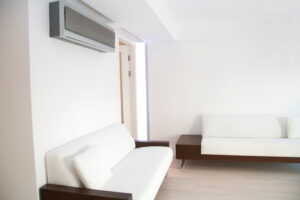
 You’re considering making a change to how you heat and cool your home: a ductless mini split system. Maybe this is a full-house change, plans for a new house, or you only want to install ductless to target a certain area that needs additional comfort assistance. Whatever the reason for considering a ductless installation, you still have a reservation about how well a ductless system works for heating.
We’ll explain a bit about how ductless systems operate to see how well one can provide you with heat.
 What do you expect from your home’s furnace when you start it up for the season? Heat, obviously! But just plain heat isn’t enough, otherwise you could do well for a house with just a cheap space heater. No, you have a furnace because you want heat distributed throughout your house so all the rooms enjoy warmth. That’s the whole point of having a central heating system.
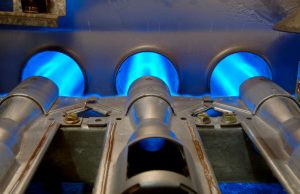 It’s probably going to be the last month you will run your furnace for a good long while. You have a few more days left, and it’s easy to think that it doesn’t matter much if the furnace isn’t working as well as it usually does.
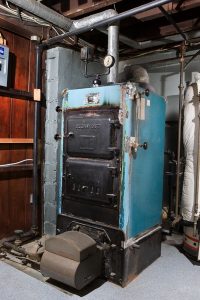 The end of the winter season is a period when we recommend homeowners who have heating equipment that is older than 10 years give consideration to when it needs to be replaced. No, this doesn’t mean that a heating system that’s older than 10 years is an automatic replacement. But this is the period when the heater may start to show signs of wearing down, losing energy efficiency, and becoming a higher risk for a breakdown.
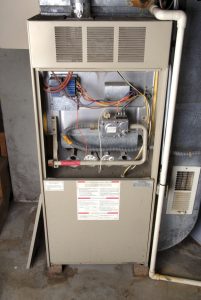 Why are furnaces so common as heaters in homes? Even with other options, like boilers, heat pumps, and electric baseboard heaters, furnaces are still the type of comfort system people think of first when they want winter heat. There are several reasons for the widespread use of furnaces: they’re powerful, dependable, and for a house that already has ducts, a flexible fit.
 Zone controls give you more power to control how your house is heated and cooled. An HVAC system without zone controls provides general heating and cooling to the house whenever it is turned on. Each room vent in the house sends out conditioned air, regardless of whether the rooms require it or not. You’re familiar with this system because you probably have one like it. On a cold day in winter, when you turn the furnace on for warmth, all the rooms in the house receive heat blown through the ventilation system.
 Are you looking to have a new heating system installed in your house? If you are, one of the most important bits of information you’ll want to find out about potential models is their efficiency. A high-efficiency furnace uses less energy to provide more heat, and therefore costs less to run.
 This is not the way you want to start the winter—with a furnace that turns on but falls short of providing the comfort you expect.