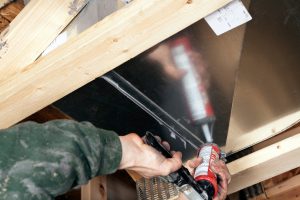
 Have you already scheduled heating maintenance for the fall? This is the most important service you can have done to prepare for the winter, since it gives your heating system the best chance to sweep through the winter without problems, no matter how cold the outside may get. The peace of mind you receive from maintenance is well worth it—and you’ll save money on heating costs as well.
But you may need additional service to help your heating system operate at peak level for the season. You may not know if, but the ductwork in your house might suffer from numerous leaks and gapping. A loss of the airtight integrity of the ducts will reduce the effectiveness of your heater and lead to inflated bills. It can even lower the quality of the indoor air.
The way to solve this problem is with professional air sealing in Howell, MI, which is a service we offer. You may not need the work, but if you do, the difference it makes is tremendous.
Continue Reading

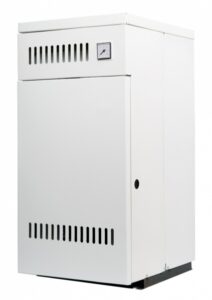 As we enter the final stretch of winter, we recommend you think about how your heating system performed and if you’ll need to have it replaced at some point during the middle of the year so you’ll be ready for the next winter.
 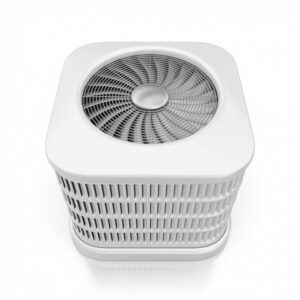 Actual air conditioning season is definitely not here yet! It’s still cold outside, and we can expect to have extreme cold weather continue to hit us through April. However, it’s almost the season for air conditioning upkeep … because before we know it, warm weather will be here again and air conditioners around the state will go to work. You want to make sure that your home’s air conditioning system is prepared for the change in weather. Getting professionals
  High efficiency
 This is not a situation you want to find yourself in: a failing heater when winter is still in force. Unfortunately, you can’t always control problems like this. Excellent regular maintenance can help make emergency replacements rare, but nothing is a 100% guarantee. Your best defense against the sudden replacement blues is to catch early indicators your heater is coming close to crashing so you can call a
 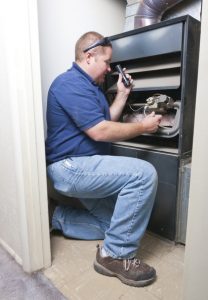 When we talk about regular heating maintenance, we often call it “fall heating maintenance.” That’s because this is the typical time when people arrange to have it done. Heating maintenance done during autumn has the advantage of giving homeowners time to arrange for any repairs the technicians may uncover during inspections and ensures the heater is in the best condition just before it will be needed the most.
  You’re considering making a change to how you heat and cool your home: a ductless mini split system. Maybe this is a full-house change, plans for a new house, or you only want to install ductless to target a certain area that needs additional comfort assistance. Whatever the reason for considering a ductless installation, you still have a reservation about how well a ductless system works for heating.
 What do you expect from your home’s furnace when you start it up for the season? Heat, obviously! But just plain heat isn’t enough, otherwise you could do well for a house with just a cheap space heater. No, you have a furnace because you want heat distributed throughout your house so all the rooms enjoy warmth. That’s the whole point of having a central heating system.
 Whenever we talk about