 September, when summer officially ends and autumn begins. We know it’s hard to say goodbye to summer weather, although fall has its joys. To get the most from the fall and ensure you enjoy a comfortable and worry-free winter, you need to ensure your heating system is ready to get back to work.
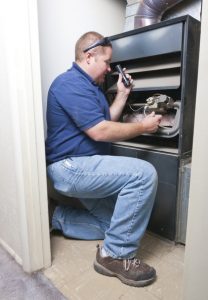
In other words, it’s time to schedule regular fall maintenance for your heating system.
Yes, this is another item on an already busy fall “to do” list. But it’s an important one. Please don’t decide you can sit out maintenance this year because the heater is “doing fine.” Skipping maintenance for even a single year has consequences, and if you skip it once, you’re more likely to skip it again in the future. (You know it’s true.)

 Whenever an appliance stops working in your house, it’s not a highlight of the day. But there is a big difference in finding out the microwave won’t turn on and discovering the air conditioning system isn’t cooling the house—especially during a hot late summer day!
 We don’t expect our customers to be experts at how their air conditioning systems run. After all, that’s why professionals like us exist! However, there are a few basic facts about air conditioning that we’d like more people to know, because they help with understanding when repairs are necessary and what certain warning signs mean.
 A short quiz. What is the most important component in your air conditioning system?
 When it comes to cooling your home during the summer season, “good enough” just isn’t good enough. Not if you ask a member of our team, anyway. We are the local
 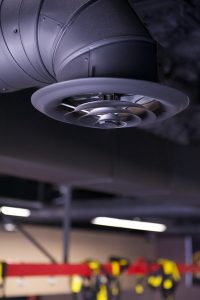 The early summer, before the heavy heat of July and August start up, is a good time to pay close attention to the air conditioning system for your commercial space. It’s just started doing it’s regular work, and making sure that it isn’t developing malfunctions is helpful to head off serious system breakdowns during the summer—the kind of breakdowns that lead to work stoppage and other costly interruptions.
 A pre-summer
  One of the most important jobs of a professional