
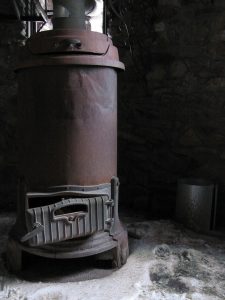
We can’t imagine you harbor any nostalgic feelings about the furnace warming your home during the winter. Furnaces are not romanticized pieces of machinery; they’re kept out of sight and are entirely functional in appearance. You don’t decorate your furnace for the holiday season. (It might be dangerous anyway; the furnace needs to be clear on all sides.)
Where are we going with this? There’s no reason to keep around an old furnace just because. No attachment. Most of the time, the only thing holding people back from scheduling a replacement for an old furnace in Fenton, MI is the costs involved. But in most cases, it’s less expensive to have a new furnace put in, and often the safer choice.
 We’re now in what we in the HVAC business call “heating season.” It’s when home heaters turn on and work steadily all the way through the early spring—and sometimes longer than that.
 We work with
  Even people who like winter more than any other season don’t like seeing utility bills start rising as the temperature begins dropping. It’s true you can’t avoid paying higher energy costs during the winter because of all the work your home’s central heating system must put in (and the water heater does more work as well). However, you can cut down on those costs with some basic steps.
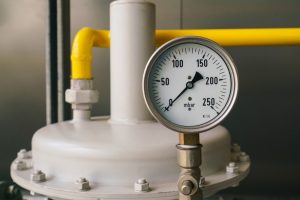 The furnace is the most common type of central heating system, but in our area there are many homes that rely on boilers. Boilers are often found in homes that don’t have a network of ventilation ducts, since a boiler works by circulating hot water through pipes to terminal points (radiators, baseboard heaters) where the heat then radiates into the rooms.
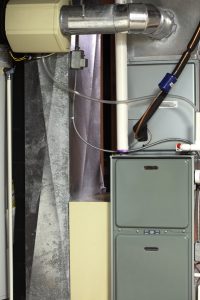 You don’t need us to tell you how important a working furnace is in this part of the country. We deal with harsh winters, and they can sometimes stretch into April. A home’s furnace is essential for getting a family through even a single day of winter.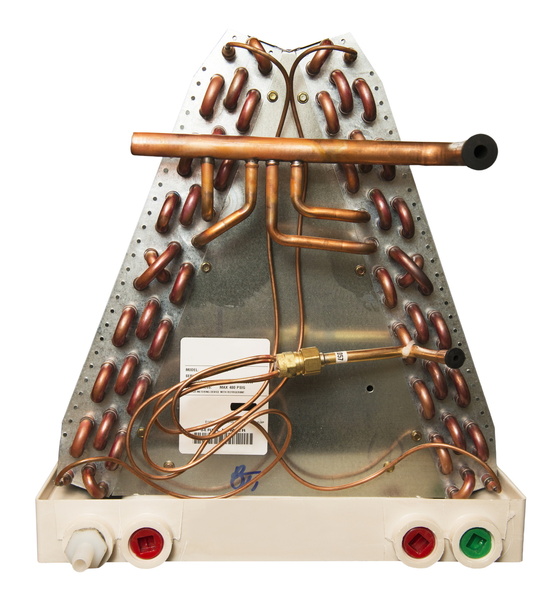
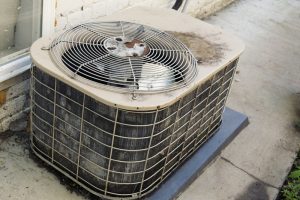 Well, you could ask politely … not all air conditioners are sensitive about their age!
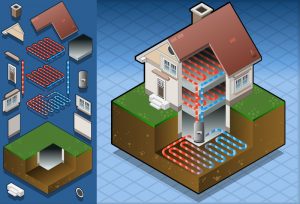 The word geothermal contains the suffix -thermal. If you remember your Ancient Greek root words, or you’ve encountered thermal underwear at some point or know about “thermal detonators” from Star Wars, then you know thermal means heat. Geothermal power has something to do with heat—heat from the earth. (Putting those Greek roots to work again!) So when we tell you about options for geothermal air conditioning for your house, you might wonder if we’ve gone a touch batty. How can a geothermal system work to cool down a home?
 It’s August, and some of the harshest hot days are going to strike during this month and the next. Air conditioning systems have already put in a great deal of work, and with more on the way, homeowners may start to ask the question: “Is my air conditioner going to wear down so much that it breaks?” Nobody wants the answer to be “yes.”