FLINT (WJRT) – (05/25/18) – Today is National Heat Awareness Day, a reminder for you to be aware of the sometimes deadly consequences associated with heat stroke and dehydration.
With loads of sunshine and high temperatures you can also expect HVAC companies are being inundated with service calls.
“Very busy. The heat is definitely getting people on the phone,” said Coby Ackerman, a service technician with First Choice Heating & Cooling.
“I think one of the biggest things is probably not changing the filter,” said Ackerman.
He’s seen homeowners make all kinds of mistakes, but here’s what you should do for sure:
“You need to change the filters. That’s very important. Check the batteries in the thermostat if you have them. It’s a good idea to look and see if the condenser outside is clean,” Ackerman said. “Definitely want to check the charge. It may or may not be undercharged. Even though you think it’s good a dirty coil can mask that.”
The decision to cut the air on and off throughout the day may not be a great idea.
“72, 73 is a good temperature and if you leave it there and get rid of the humidity you’ll actually feel a lot comfortable instead of turning it on and off like people like to do,” Ackerman said. “When it’s hot just let it run.”
Remember, it’s better to have your AC tuned up than to wait until there is a problem.
Now that we’ve gotten the air conditioner taken care of, Governor Snyder is reminding everyone how serious heat stroke is, especially for children.
Today is heat stroke prevention awareness day in Michigan.
Already this year – six children have died in the United States from heatstroke in a car.
1. Officials with the state advise the following:
2. Never leave your child alone in a vehicle, not even for a minute.
3. Keep the car locked so kids don’t get in on their own.
4. Create reminders by putting something in the back of your vehicle next to your child such as a wallet, a purse or a cell phone that is needed at your final destination.
5. If you see or hear a child alone in a car, call 911.

 It’s August, and some of the harshest hot days are going to strike during this month and the next. Air conditioning systems have already put in a great deal of work, and with more on the way, homeowners may start to ask the question: “Is my air conditioner going to wear down so much that it breaks?” Nobody wants the answer to be “yes.”
 When the heat ramps up during the summer days, you may run into an air conditioner that can’t ramp up to meet it. It’s alarming when an AC isn’t sending out the cool air you need to feel comfortable, or if it isn’t sending out any air at all. In the rush to have your AC back to work as fast as possible, you may try to fix it yourself by opening up one of its cabinets and poking around inside with a DIY guide up on your smartphone. You might also call on a local guy with some tools in his van who says he can fix the air conditioning for you “real cheap.”
 A warm summer day is a pleasant experience in Michigan. A warm, humid, summer day is much less pleasant. And a hot, humid day—that’s when people stay indoors and crank up their ACs.
 Your home’s air conditioning system is designed to run during warm days, hot days, hotter days, the hottest days. There’s not much point to an AC otherwise! You don’t run it during cool weather, after all. But even though your AC was built with the heat in mind, it can still overheat during the summer. Just as when a car engine overheats, this will leave you with a busted system that won’t work.
  There’s no way to avoid a rise in electrical costs during the summer if you have a central air conditioning system. The air conditioner consumes electrical power to run the fans and the compressor, and this comes at a cost. But the cost doesn’t have to be as high as it currently is! There are ways to reduce the price of a comfortably cool home over this summer, and the many summers to come.
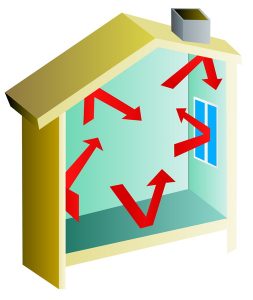 One of the jobs we do for our customers is to help their homes enjoy better air quality. Indoor comfort is about more than controlling the temperature with an air conditioner and a heater. It’s also about keeping the air fresh and humidity under control with excellent ventilation.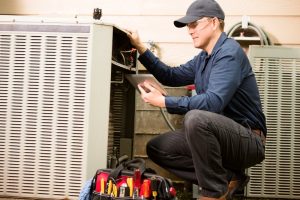
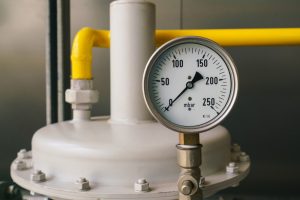 Gas boilers are one of the best ways to enjoy comfort through even the chilliest of winters. They are highly energy efficient and can last for many years.