
 Summer is a time when people see a rise in their electric bills. There are several reasons for increased electrical use after the lull of spring, but the biggest source is air conditioning systems. When you start to run the AC in your home for the first month of summer heat, you know you can expect to see a rise on your next electric bill.
There are ways you can keep this under check. We recommend always having air conditioning maintenance done in spring to stop the AC from declining in energy efficiency. As soon as you notice anything wrong with your cooling system, call us for AC repair in Burton, MI—not just to prevent the system from breaking down, but to keep the malfunction from draining energy. Maintain a steady setting of 78°F on the thermostat during the day when people are home.
But no matter what conservation steps you take, you’ll still see an increase in electrical use because of how much electricity the AC consumes to run. And how much is that…?
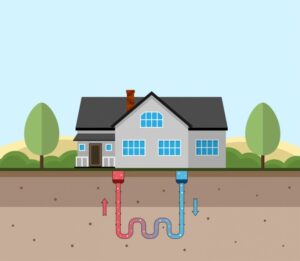 Although geothermal HVAC systems are becoming more common for homes, this technology is still new to many. Because of this, people often have misconceptions about how geothermal heating and cooling works and how useful it is.
 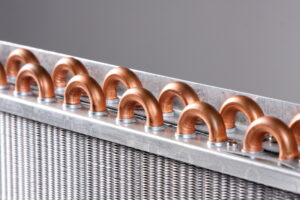 We’ve already written our seasonal blog to remind our customers about the
  Soon you’ll start to run your
  In our last post, we addressed the most important way you can get your AC ready to deal with another hot summer:
 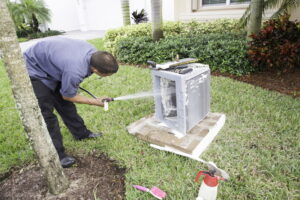 Now that spring has arrived, we want to get the word out to our current and future customers about the importance of preparing air conditioning systems for the approaching warm weather. April (and even May and June) can still contain cold weather surprises, but the AC in a home needs to be prepared for the steady heat that will soon settle in.
 As winter wraps up and people start looking forward to using their air conditioning systems, we recommend homeowners take time to consider their heating. True, you soon won’t need to have your heating system running, but spring offers an opportunity to make upgrades, repairs, and even full system replacements to a heater.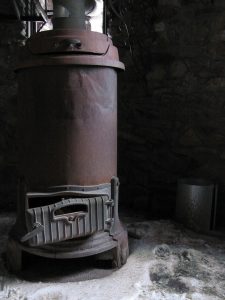
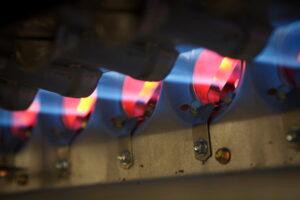 A gas furnace works by combusting natural gas sent to the burners, which produce hot combustion gas the heater uses to warm the air entering the ductwork of the home. In most modern furnaces, an electronic ignition system lights the burners once gas starts flowing to them, and the burners remain on as long as necessary for the furnace to heat the house to the desired temperature.
 The two most common types of heating systems found in local homes are furnaces and boilers. Each has advantages and disadvantages, but we want to use this post to explain the basic differences in how these two systems generate heat and distribute it. You can use the information to help you understand how your heating system works as well as decide on what type of heater you want if you’re planning on a new installation.