 Unfortunately, the need for air conditioning repair in Howell, MI can strike at any time. It doesn’t have to wait until August when the AC has already been running steadily for a few months. Even with a regular tune-up and inspection in the summer, an air conditioner can run into a problem at the start of the summer season.
It’s not fun when it happens, but if you’re vigilant about your air conditioner you may be able to catch early signs of something wrong. You’ll be able to get our First Choice technicians on the job early and prevent a bigger repair problem in the future.

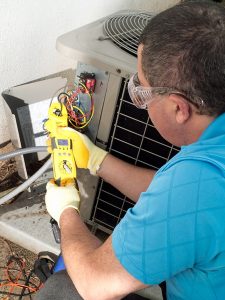
 The performance of your air conditioning system is not as short-term as “will it keep my house cool today?” Great AC performance is about getting the most from the system each year for the lowest cost, and then keeping that performance level for the next year, and the next, until the point where replacement is the cost-effective next step.
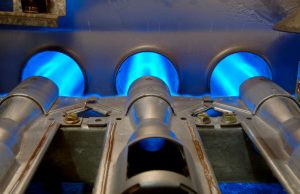 It’s probably going to be the last month you will run your furnace for a good long while. You have a few more days left, and it’s easy to think that it doesn’t matter much if the furnace isn’t working as well as it usually does.
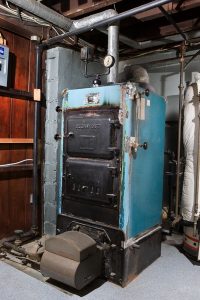 The end of the winter season is a period when we recommend homeowners who have heating equipment that is older than 10 years give consideration to when it needs to be replaced. No, this doesn’t mean that a heating system that’s older than 10 years is an automatic replacement. But this is the period when the heater may start to show signs of wearing down, losing energy efficiency, and becoming a higher risk for a breakdown.
 Before the warm weather settles in to stay for the middle of the year, you want to eliminate any worries you may have about your air conditioning system. The best way to do that is to call to arrange for
 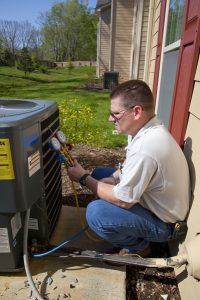 Yes, we know the weather outside is still cold enough for your house to need its heater running regularly. It may seem weird to start considering your air conditioner at this time, but March is the ideal month to plan for the coming change in seasons.